How Small-Space Pastimes Make Room for Play
Explore leisure in small spaces through adaptable games and quiet activities, with practical ways to choose a pastime that fits a shared room or spare moment.
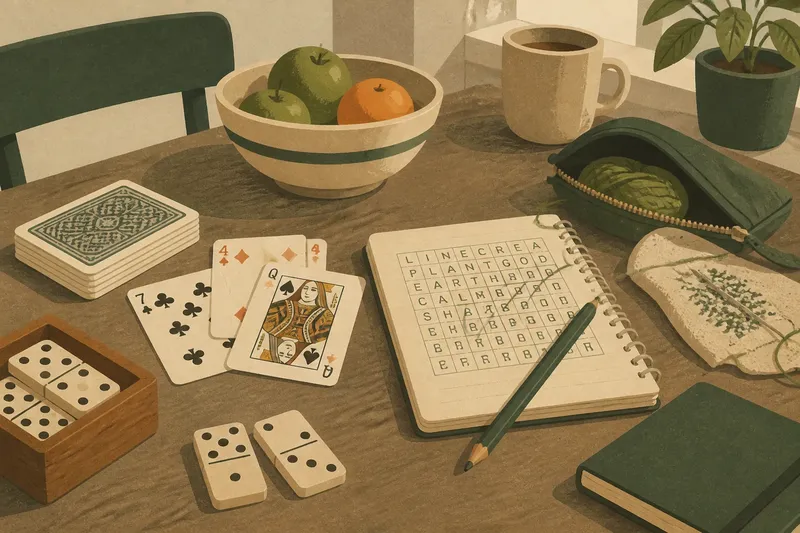
A deck of cards can turn a cleared corner of a kitchen table into a game, then slip back into a drawer before supper. Leisure in small spaces often begins with that modest shift: choosing an activity that fits the room, the available time, and the people nearby. Rather than tracing one universal history, it is more useful to look at how adaptable pastimes work in everyday settings.
What makes leisure in small spaces work?
A compact pastime is shaped by more than the size of its materials. It needs a surface, a stretch of attention, and a way to pause or put it away. A game that can be folded, packed, or resumed later may suit a shared room better than an activity that requires a permanent setup.
Cards, word games, needlework, small puzzles, and portable boards offer different kinds of leisure. Some invite company; others can be picked up alone. Their common feature is adaptability, not a particular mood or skill level.
In a shared home, a dining table may serve several people and purposes. A pastime has to coexist with meals, work, and conversation. A pocket-sized object can help, but the activity’s rhythm matters just as much: can it stop without becoming a burden?
Choose an activity you can pause cleanly, not just one with small supplies.
How can shared rooms support a game?
A table and a few chairs can make a convenient place for cards, dominoes, drawing, or a spoken word game. No dedicated recreation room is required, though the room’s usual routines still matter. Someone may need the table for dinner, or a quiet corner may be more welcome than a lively group game.
Conversation-based games can take up little physical space because much of the activity happens in the group’s attention. One person can offer clues while others guess; players can trade questions or invent a story together. These formats need no board, though they do depend on everyone being willing to join.
Access to a shared room is not always equal. A pastime should fit the household’s schedule rather than assume a table is free whenever someone wants it. Agreeing on when to play and how quickly to clear away can make a brief game easier to enjoy.
Let the room’s next use determine how much setup you bring out.
Which portable activities suit a pause?
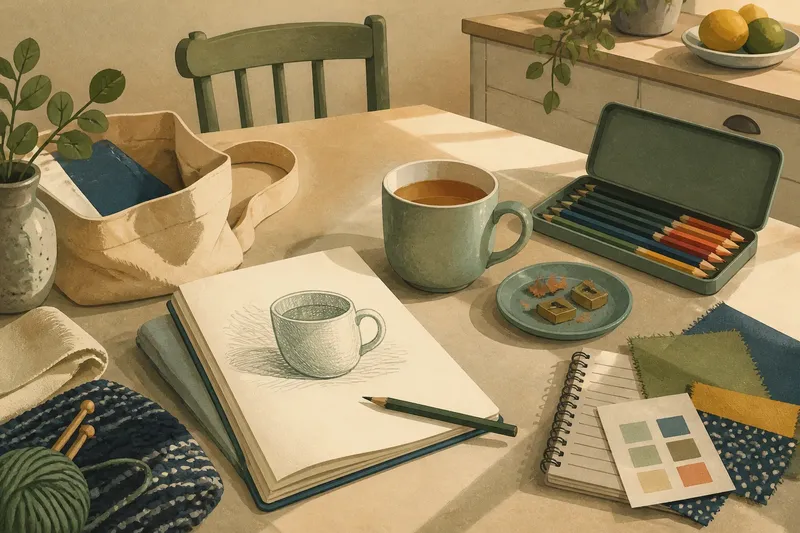
A small notebook and pencil can support word puzzles, sketching, or a few lines of writing. A deck of cards can work for a solo patience game or a shared round. Needlework can be portable too, provided the tools are stored safely and the setting gives you enough light and space to handle them comfortably.
Different formats suit different conditions. A paper puzzle can be done quietly and set aside; a spoken guessing game can include a companion without needing a tabletop. A compact board game may be portable but still require a stable surface and enough time for a round.
Noise, interruptions, and other people’s need for quiet also shape the choice. A lively game may fit a journey with willing companions but not a waiting room where others are trying to rest. Portability makes an activity available; it does not make every setting suitable.
Before packing a pastime, consider the surface, noise, and interruptions you are likely to face.
How do paper and digital pastimes differ?
A paper puzzle can be shared across a table, marked up, or left for someone else to finish. It may require a pencil and enough light, but it does not depend on a charged device. A phone can offer several kinds of solo entertainment in one object and may be easy to pause, yet the choice of what to do can itself absorb attention.
Neither format determines the quality of the leisure. A screen might help someone pass a quiet pause, while a printed puzzle can invite conversation. The better option depends on what the moment calls for: company or solitude, a visible page or a device, an activity that is easy to share or one that is private.
Notice whether the format helps you settle into the activity or keeps pulling your attention elsewhere.
What questions help you choose a small-space pastime?
Which pastimes need no dedicated room?
Card games, spoken guessing games, word puzzles, sketching, and portable crafts can use a shared table or no surface at all. Choose one that can pause easily and whose materials are simple to put away.
Can a pastime work in a shared room?
Yes, if its noise, setup, and timing suit the people who use the room. A quick agreement about when to play and how to clear the space can prevent a hobby from crowding out the room’s other purposes.
How do pocket puzzles differ from board games?
A pocket puzzle is often designed for one person or a portable format, while a board game may need a stable surface and other players. The distinction is flexible: a small game can travel, and a puzzle can become a shared challenge.
Does a pastime have to produce something useful?
No. Leisure can offer amusement, quiet, or company without producing an object or measurable result. Pick an activity for the kind of moment it creates, not for what it leaves behind.
How can you decide what fits this moment?
Imagine you have a notebook, a pencil, and a short wait while a friend finishes an appointment. You want something quiet, and you may need to stop as soon as your friend returns. You open the notebook to a word puzzle, work on it while waiting, then close it when conversation begins. The observable result is simple: the pause has an activity, and the puzzle remains easy to resume without claiming the table or requiring your friend to join.
If instead you are at home with a friend and a clear table, the same notebook might be less inviting than a shared word game. The choice depends on company, attention, and how readily the activity can give way to what happens next. For leisure in small spaces, start with those conditions; the object comes second.
A small pastime does not need to transform a room. It only needs to fit the available corner, respect the people sharing it, and leave the space ready for whatever comes next.